Real-world vehicle emissions in Johannesburg, South Africa
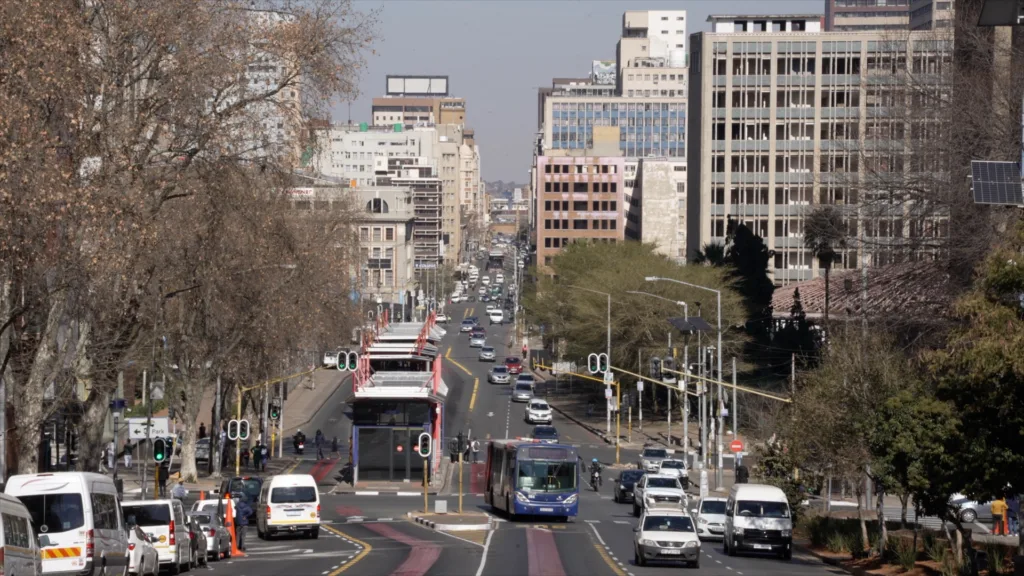
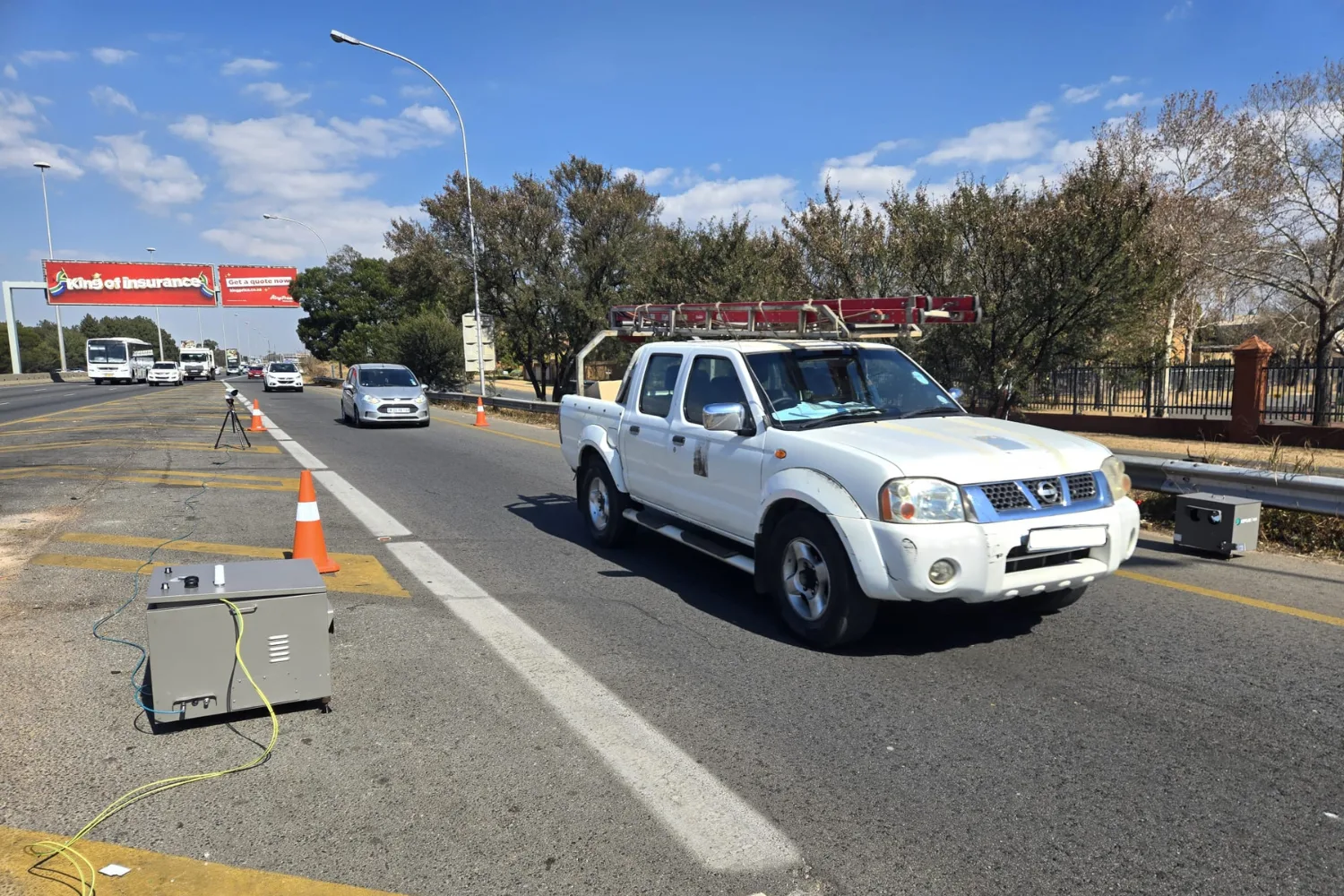
The TRUE Initiative conducted the first-ever real-world roadside remote sensing campaign in Africa to provide a comprehensive picture of vehicle fleets and their emissions in Johannesburg, South Africa. This research was supported by Breathe Cities, a global initiative supporting cities to clean the air and protect public health.
The study, which collected over 250,000 vehicle exhaust measurements, demonstrated that meaningful emission reductions are achievable in Johannesburg through near- and long-term interventions at both the city and national government levels.
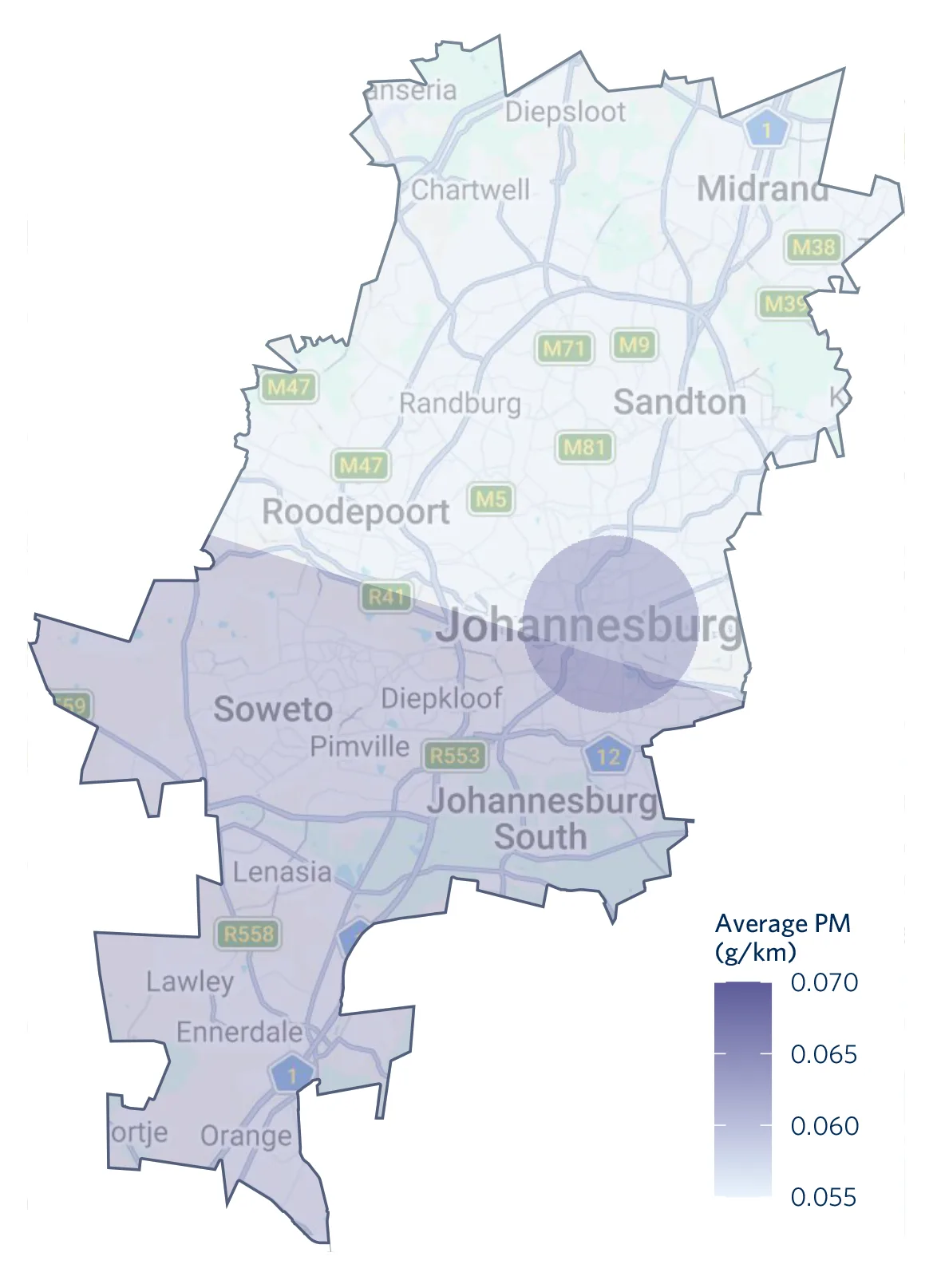
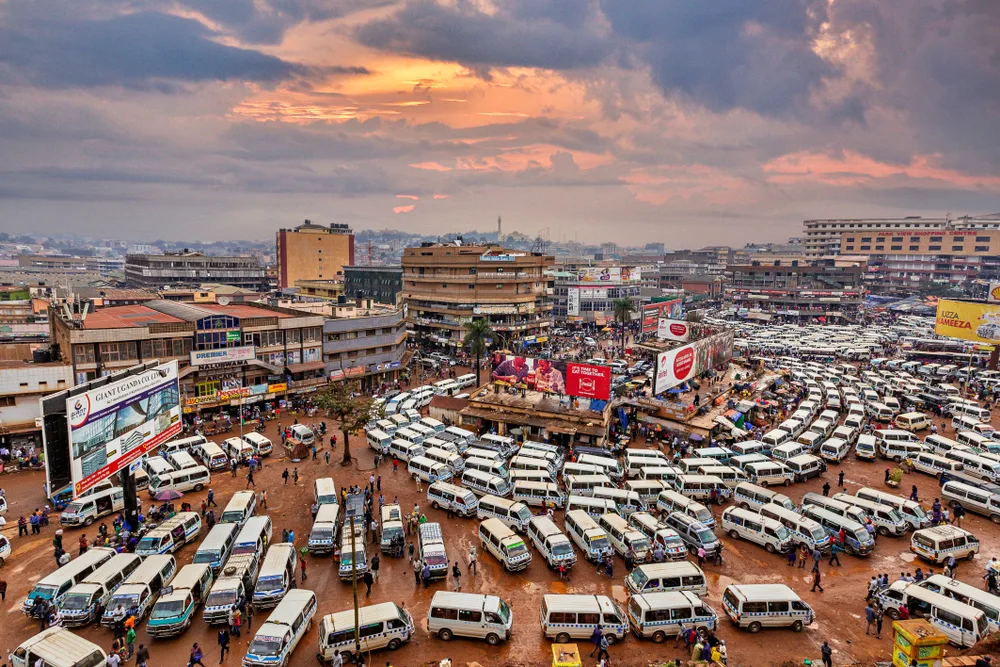
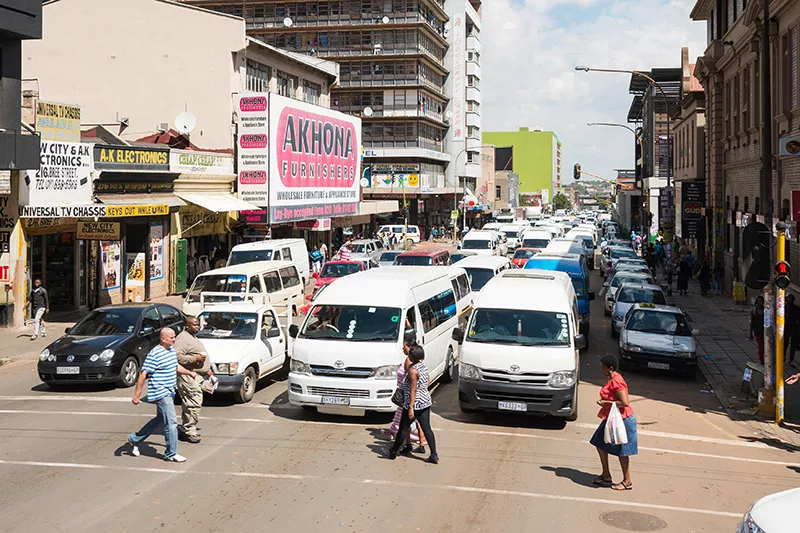
Findings showed that vehicle-related emissions are not equally distributed across the city with the highest overall particulate matter (PM) vehicle pollution concentrated in central and southern Johannesburg. Minibus taxis, the most common form of public transport for residents in these regions as they seek economic sites in the north, accounted for 10% of measured vehicle activity, yet contributed between 21% and 40% of vehicle exhaust emissions in these regions.
Diesel-powered minibuses are on the rise in Johannesburg, accounting for 98% of all new minibus taxi registrations in 2025, up from 7% in 2001. These minibuses exhibited PM and NOX emissions higher than their petrol counterparts in recent years, which could carry significant health impacts for residents if left unaddressed.
Additional key findings from the report include:
- Petrol passenger cars registered before 2006, when Euro 2 was introduced, made up 4% of the fleet but contributed 12%–24% of the fleet’s total NOX, hydrocarbon (HC), carbon monoxide (CO), and PM emissions.
- The newest diesel passenger cars, light commercial vehicles, and trucks showed average NOX and PM emissions between 3 and 14 times higher than Euro 6/VI limits.
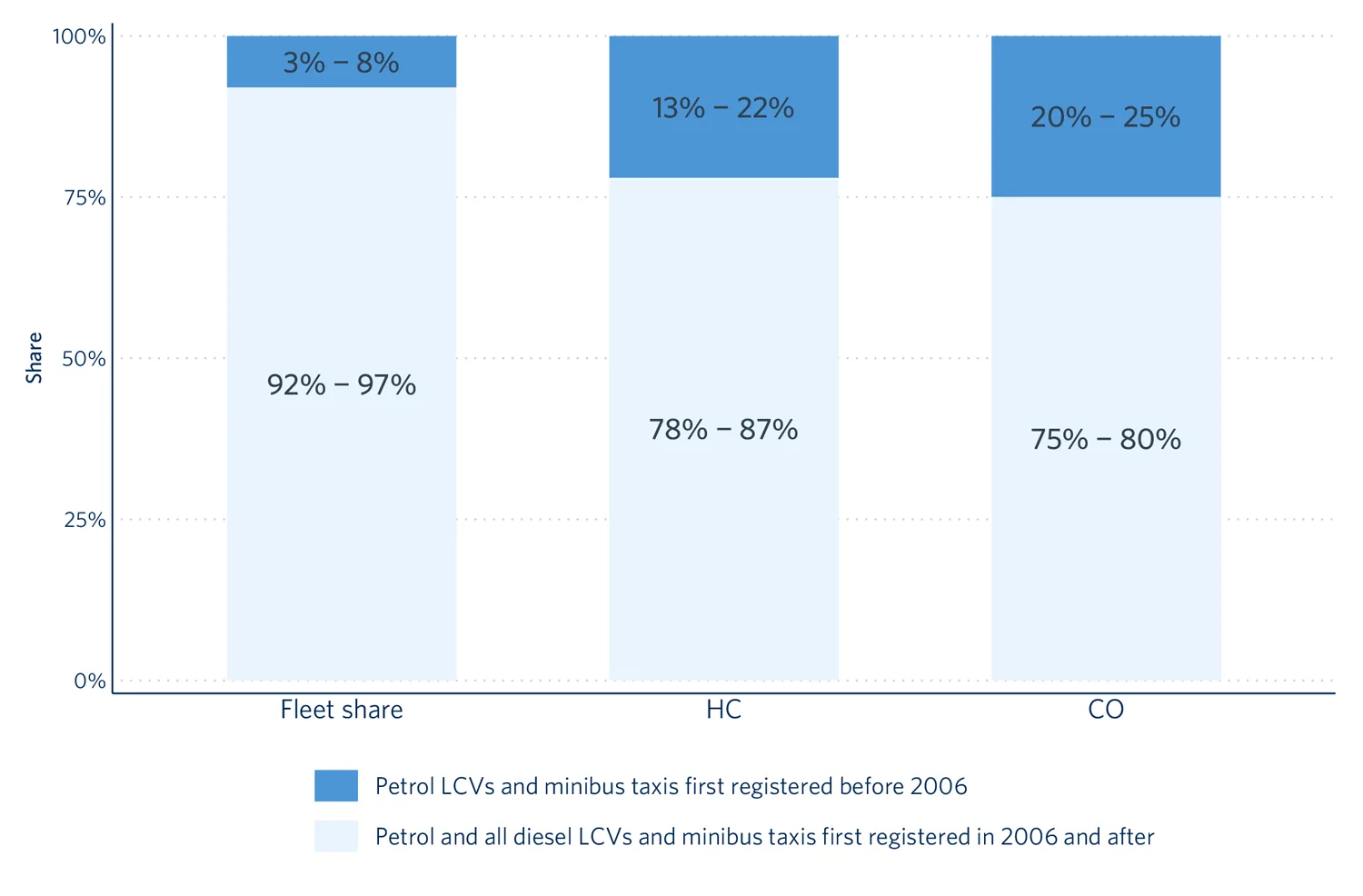
- The oldest petrol-powered light commercial vehicles and minibus taxis registered before 2006 contributed 13%–22% of overall HC emissions and 20%–25% of CO emissions, despite making up only 3%–8% of the fleet.
The report supports an existing recommendation by the City of Johannesburg in June of 2025 to utilize clean air zones (CAZs) as a key solution for a gradual and equitable transition to a cleaner transportation sector, particularly in the central and southern regions.
Further policy options recommended by the TRUE Initiative to reduce vehicle emissions include:
- Adopting Euro 6d/VI-D (European regulatory standards) for new vehicles would bring about meaningful emission reduction benefits and align South Africa with its major export markets.
- Expanding and enforcing Johannesburg’s existing vehicle inspection and maintenance program and prioritizing large commercial fleets before extending requirements to private passenger cars.
- Adopting electric minibus taxis to reduce emissions and lifetime operating costs for owners, accomplished through financing schemes to reduce upfront costs.
City of Johannesburg, University of Johannesburg Process, Energy, and Environmental Technology Station (UJ PEETS), Breathe Cities
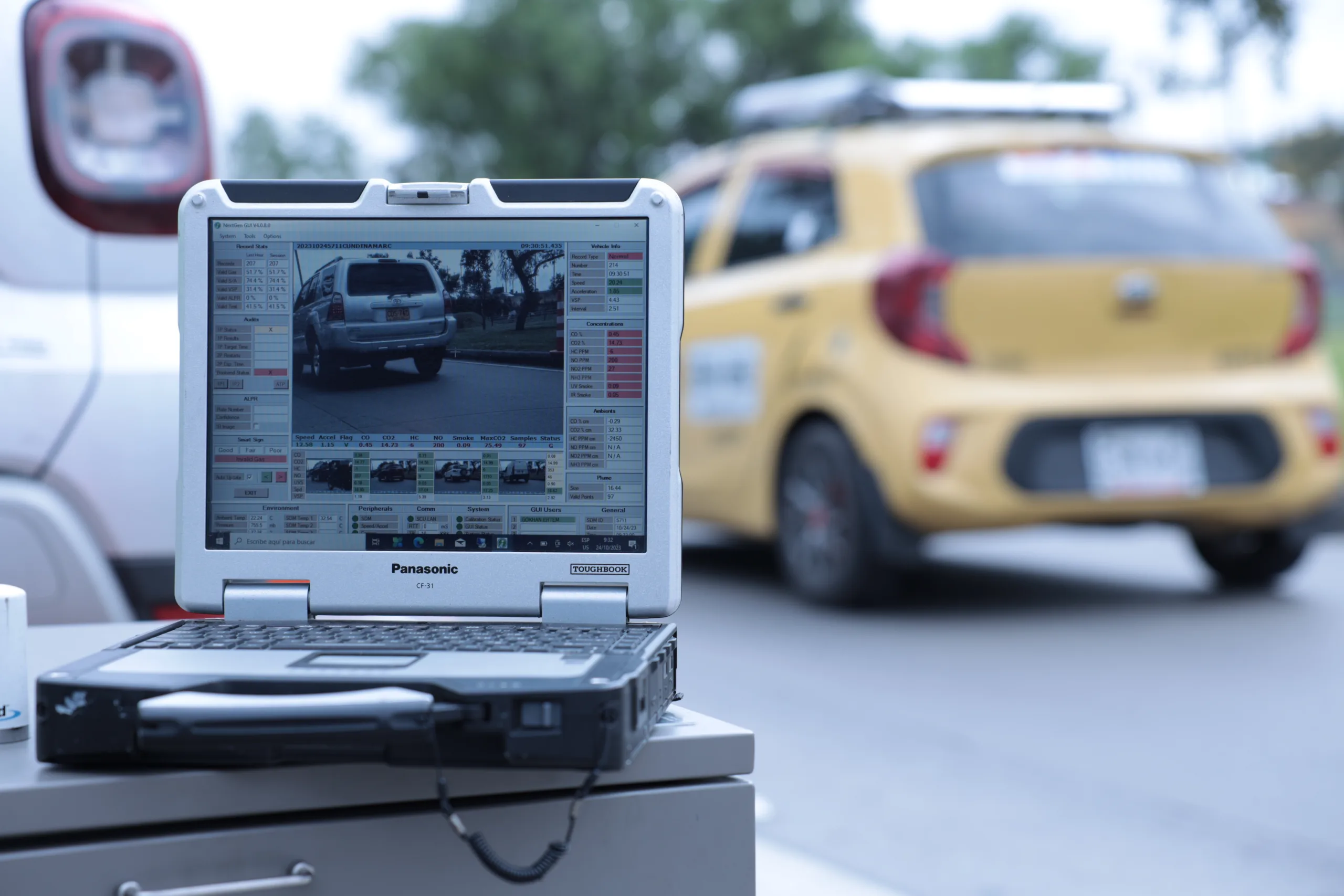
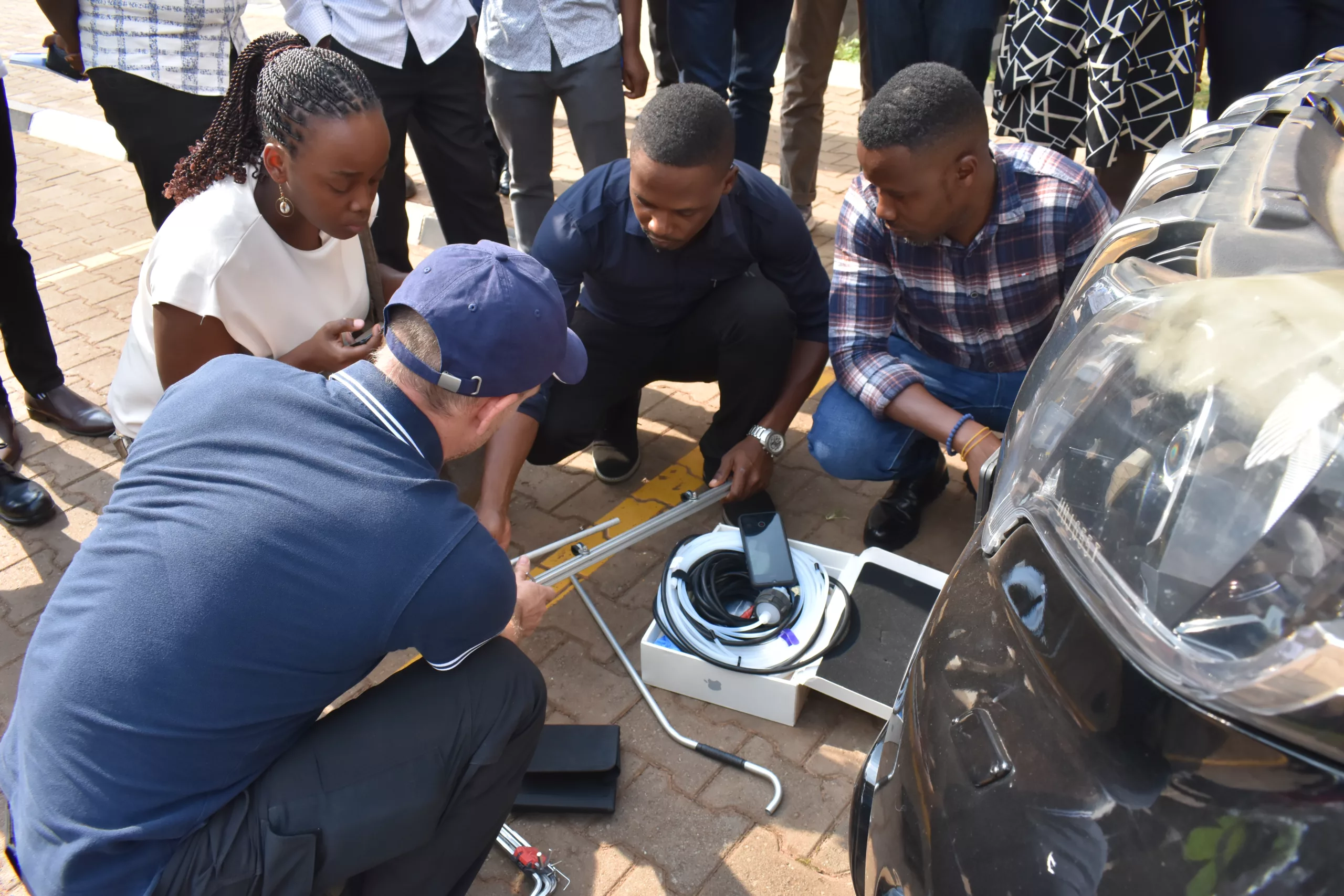
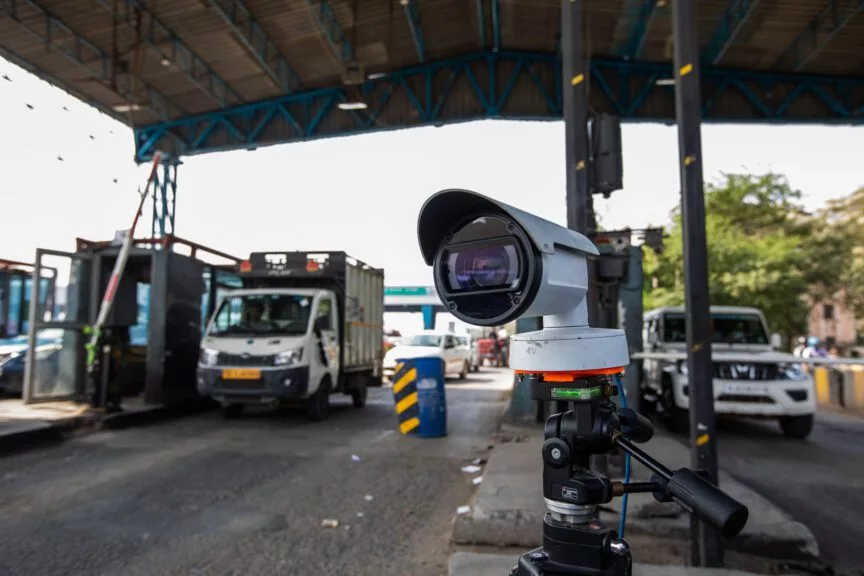
TRUE Testing Campaign: Real-world roadside remote sensing technology captured over 250,000 measurements across Johannesburg between July to September 2025.